
Alpine School District schools have been relying on Positive Behavioral Interventions and Supports (PBIS) for many years to help staff manage situations where students are exhibiting difficult behavior.
PBIS is a belief in the idea that positive reinforcement gets better results than punishment.
“Behavioral supports aid in creating an environment that is conducive to learning,” says Aaron Stevenson, the principal of Desert Sky Elementary.
Most prominently in elementary schools, admin and teachers have been constantly improving and changing these systems to help students grow, and learn the skills they need to be successful both in and out of the classroom. PBIS systems were originally intended to benefit students struggling with behavioral disorders, but they worked so effectively that they soon became school-wide initiatives to help any students struggling to behave positively in school.
PBIS typically consists of a few features that allow it to work most effectively in the schools it is established in. These systems focus on teaching appropriate behavior, implementing common language, incentivizing, and intervening when inappropriate behavior occurs.
Teaching Appropriate Behavior
Positive behavior begins with what schools do best– teaching. Most schools have created a presentation to teach students what good behavior actually looks like. This helps students understand what their expectations are from the very beginning of the school year.
“Rewarding positive behavior by itself isn’t always enough, some kids just lack the skills to be successful with positive behavior. PBIS has become more of a support to give them the skills they need to behave correctly,” says Ryan Wells, the principal of Lindon Elementary.
Common Language
The words used to describe good behavior has a big effect. Schools implement standard terminology that is fun and memorable, and remind students of the school culture.
For example, Desert Sky Elementary School has come up with the acronym “CLIMB,” with each letter representing a different value the students should exhibit in their everyday behavior– Courteous, Leader, Inclusive, Mindful, and Bright.
The terms help create an environment where behavior is discussed openly in terms that students will always understand. Administrators say that familiarizing young students with behavior policies with consistent terminology is a key to the system’s success.
Incentives for Good Behavior
Additionally, incentives ensure that students have a reason to continue behaving properly while they are in school. The elementary schools across the district have come up with incentive systems to motivate students to exhibit positive behavior.
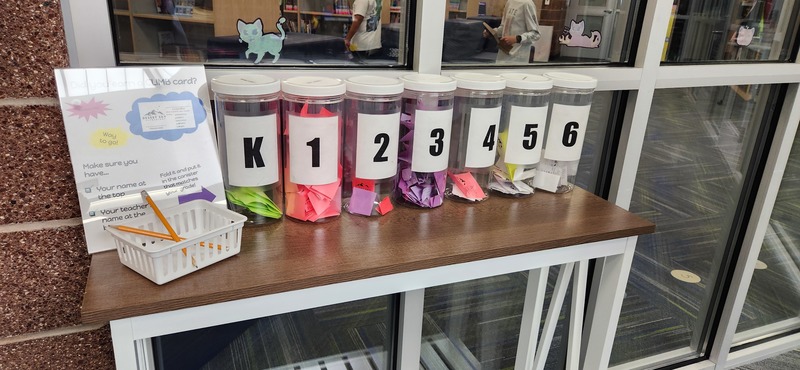
One of the most common incentive systems is the ticket system. Schools like Traverse Mountain give out tickets to students who are displaying exceptional behavior, and there is a drawing every week where students are given a chance to earn prizes for those tickets.
On the other hand, some schools have taken a unique approach when it comes to incentives.
“The main focus of the PBIS system at Lindon is the Student Success Room. Kids earn time in there for practicing positive behavior,” says Wells. The Student Success Room consists of many fun games and activities– including foosball, arcade basketball, and a Nintendo Switch– that motivate students to behave positively.
Support Structures
The final aspect of PBIS is the support structure put in place to intervene when there is inappropriate behavior at school.
Matt Dias, principal at Bonneville Elementary, highlighted this portion of his school’s PBIS: “Disengaged, disruptive, or disrespectful behavior gets a student sent to our focus room. They go in there for ten to fifteen minutes, and usually they’ll do a think time.”
A think time is a worksheet that gives a student time to reflect on their behavior and understand what they did wrong.
Overall, the PBIS systems developed for elementary schools have greatly improved the culture of these institutions, where educators continually refine their craft to meet the evolving needs of their students. Each unique approach shares the same goal: to teach students attending Alpine schools compassion, self-awareness, and respect.
Through consistency, creativity, and care, these schools are proving that teaching behavior can be just as impactful as teaching academics.